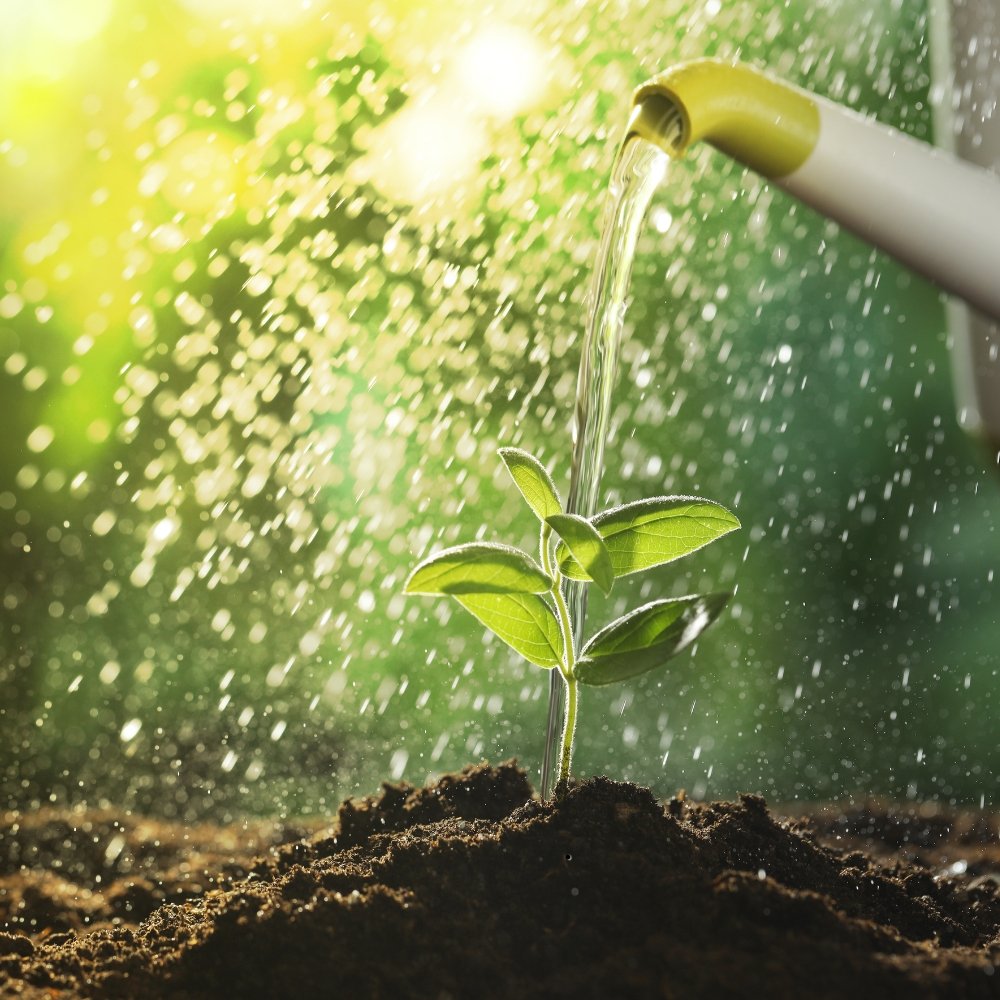

🌱 Green Pea (Peas) Grow Guide (From Seed to Harvest)
Green peas are cool-season climbing vegetables known for their sweet, tender pods and seeds. They grow best in mild weather and are perfect for home gardens, raised beds, and containers. With proper support, cool temperatures, and regular watering, pea plants can produce a healthy and continuous harvest.
🌿 Green Pea Plant Overview
- Plant Type: Cool-season vegetable
- Types: Bush peas & Climbing (vining) peas
- Best Method: Direct sowing
- Germination Time: 5–10 days
- Time to Harvest: 60–80 days
- Sun Requirement: Full sun to partial sun
- Ideal Temperature: 10–25°C
- Best For: Garden beds, raised beds, containers with support
| States | Planting Window | Cultivation Window |
|---|---|---|
| Hawaii | January | January to October |
| Texas, Alabama. | May | May to October |
| Florida | March | March to November |
| California, Arizona | April | April to October |
| Nevada, Georgia | April | April to October |
| Remaining States | June | June to October |
🌾 Soil Preparation
Peas prefer light, well-draining soil that is not too rich in nitrogen.
Ideal Soil Conditions
- Loose, well-draining soil
- Moderate fertility
- Slightly acidic to neutral pH (6.0–7.0)
Recommended Soil Mix
- Garden soil: 40%
- Compost/vermicompost: 30%
- Sand or coco peat: 30%
🌱 Seed Sowing Guide
Green peas should always be sown directly in the soil because they do not transplant well.
Step-by-Step
- Sow seeds 3–4 cm deep
- Space seeds 5–8 cm apart
- Keep rows 30–40 cm apart
- Water lightly after sowing
Germination: 5–10 days
🌿 Spacing & Support
Proper spacing and support help peas grow well and produce more pods.
Spacing
- Plant spacing: 5–8 cm
- Row spacing: 30–40 cm
Support
- Use netting, sticks, or trellis for climbing varieties
- Bush varieties may not require support
☀️ Sunlight Requirements
Peas grow best in cool weather with moderate sunlight.
- Minimum 4–5 hours sunlight
- Best growth in 5–7 hours
- In hot climates, partial shade helps prevent stress
💧 Watering Schedule
Peas need consistent moisture but do not tolerate waterlogging.
Best Practice
- Keep soil evenly moist
- Water regularly, especially during flowering
- Avoid overwatering
Water Stress Signs
- Too dry: poor pod formation
- Too wet: root rot, yellow leaves
🌼 Fertilization Plan
Peas are light feeders and can fix nitrogen naturally.
Feeding Schedule
- Add compost before planting
- Light feeding once during growth if needed
🧵 Support System
Climbing peas require support to grow properly.
Support Options
- Trellis or net
- Bamboo sticks
- Vertical strings
Benefits
- Better airflow
- Cleaner pods
- Easier harvesting
✂️ Pruning & Care
Peas require minimal maintenance but regular care improves yield.
Care Tips
- Remove weak or damaged vines
- Keep weeds under control
- Guide vines onto support early
- Avoid disturbing roots
🐛 Pest & Disease Control
Peas can be affected by pests and fungal diseases, especially in damp conditions.
Common Pests
- Aphids
- Leaf miners
- Thrips
Common Diseases
- Powdery mildew
- Root rot
- Fusarium wilt
Organic Control
- Neem oil spray
- Good airflow and spacing
- Avoid overhead watering
- Remove infected plants early
🌼 Flowering & Pod Development
Peas produce flowers that develop into pods quickly.
- Flowering starts 30–40 days after sowing
- Pods develop soon after flowering
- Regular picking encourages more production
🧺 Harvesting Green Peas
Harvest peas when pods are full but still tender.
When to Harvest
- Usually 60–80 days after sowing
- Pods should be green, firm, and slightly swollen
How to Harvest
- Pick gently by hand
- Harvest regularly every few days
✅ Growing Tips for Best Results
- ✔ Grow in cool weather
- ✔ Use well-draining soil
- ✔ Provide support for climbing types
- ✔ Water regularly but avoid overwatering
- ✔ Harvest frequently
- ✔ Avoid excessive fertilization
❓ Green Pea Growing FAQ
1) Can I grow peas in pots?
Yes. Use a medium to large container and provide support for climbing varieties.
2) Why are my peas not producing pods?
This can happen due to high temperatures, poor pollination, or excess nitrogen.
3) Why are my pea plants dying early?
Possible causes include root rot, poor drainage, or fungal diseases.