
Chilli Grow Guide (From Seed to Harvest)
Grow healthy chilli plants with higher yield using this simple step-by-step guide: soil preparation, seed sowing, transplanting, sunlight, watering, pest control, harvesting, and proven tips.
Soil Preparation
Chilli plants grow best in loose, fertile, and well-draining soil. Good soil = stronger roots + more flowers + better yield.
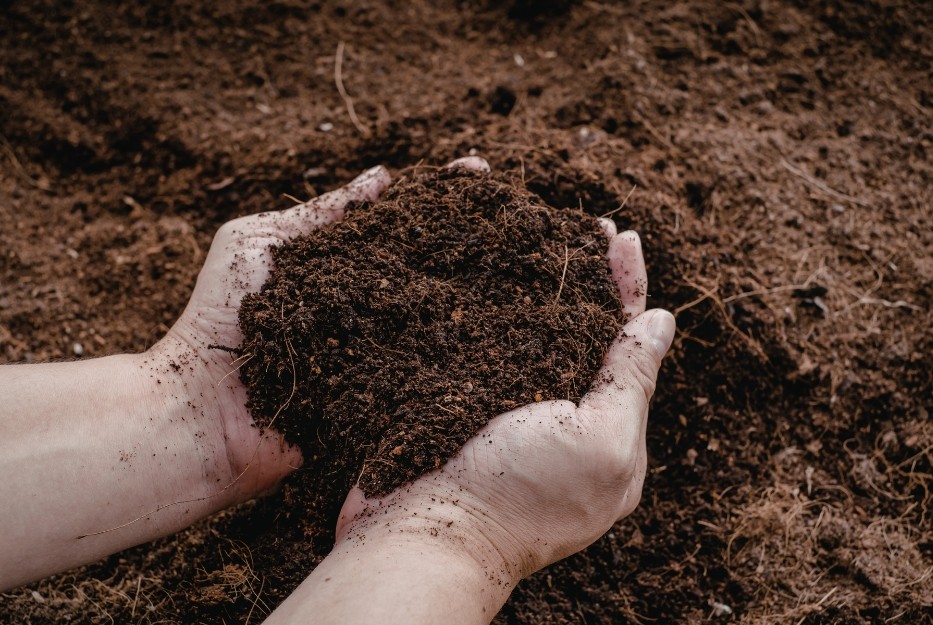
Recommended Soil Mix
- Base: garden soil + coco peat or sand for airflow
- Nutrition: compost or vermicompost for steady feeding
- Optional booster: small amount of bone meal / organic manure
Seed Sowing Guide
Start seeds in a tray or small pots for better success. Warmth and consistent moisture are the keys to germination.
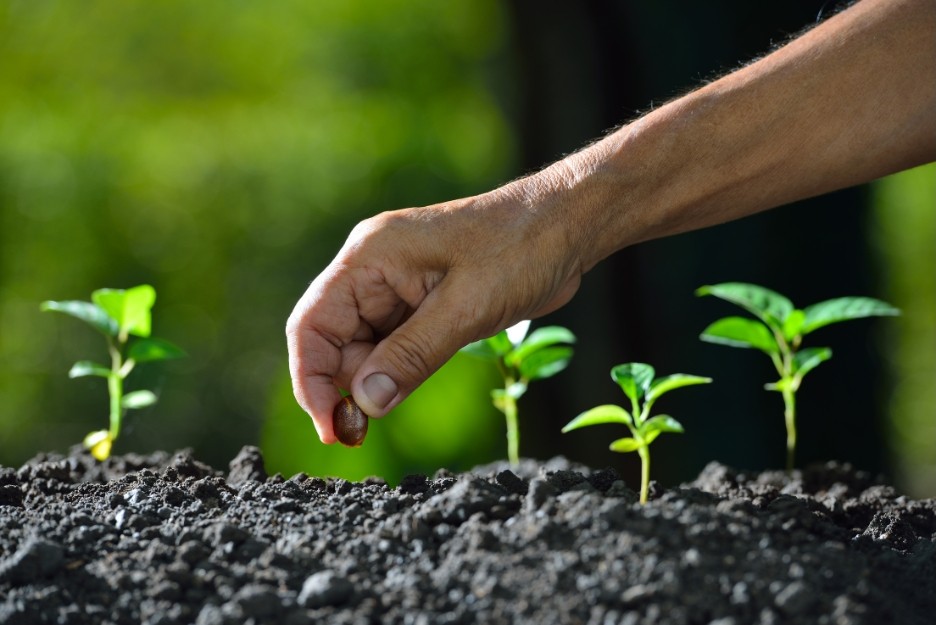
Step-by-Step
- Sow seeds 0.5–1 cm deep in moist seed-starting mix.
- Keep soil moist (never waterlogged).
- Place in a warm spot (20–30°C).
- Germination usually takes 7–14 days.
Transplanting Seedlings
Transplant at the right stage to avoid shock and help your chilli plant grow faster and stronger.
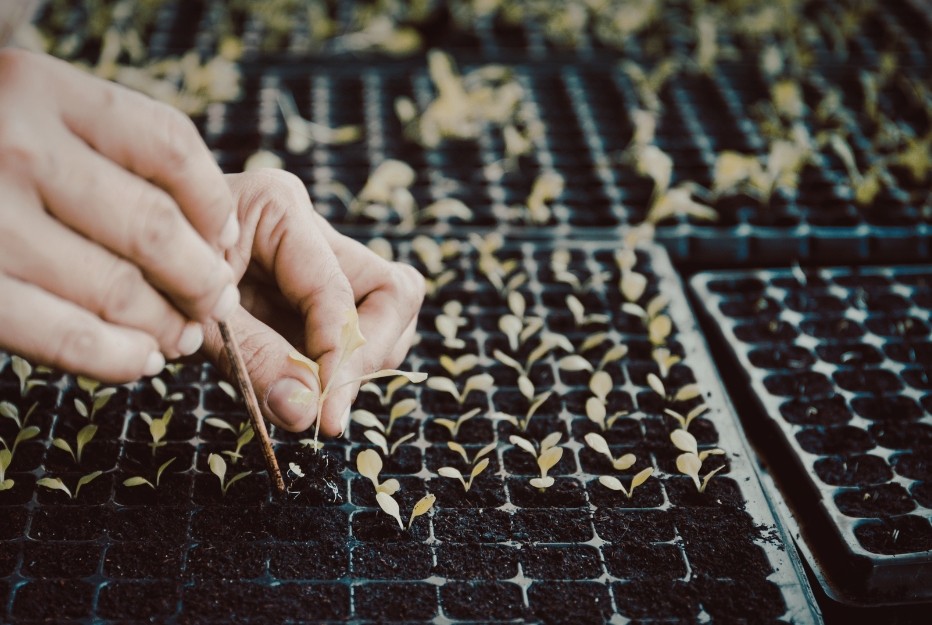
When to Transplant
- After 4–6 weeks OR when seedlings have 4–5 true leaves.
- Water lightly before moving seedlings to reduce root damage.
- Plant at the same depth as in the seed tray.
Spacing Guide
- Garden bed: 30–45 cm between plants
- Pots: 1 plant per 10–12 inch pot (bigger pot = more chillies)
Sunlight Requirements
Chilli plants need strong light to flower well. More sunlight usually means more fruits.
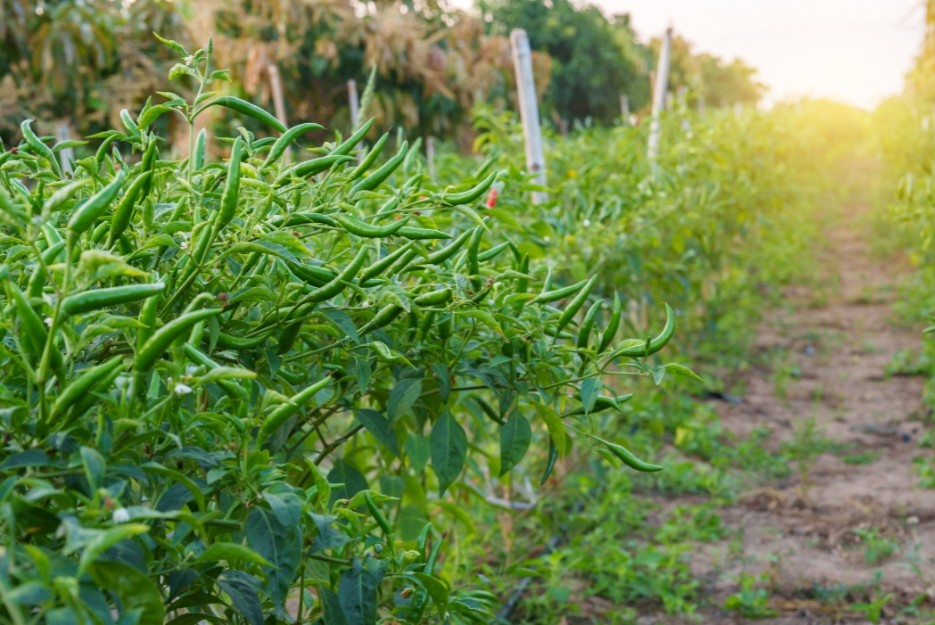
- Ideal: 6–8 hours of direct sunlight daily
- Balcony pots: keep in the brightest location
- Very hot days: light afternoon shade can prevent leaf stress
Watering Schedule
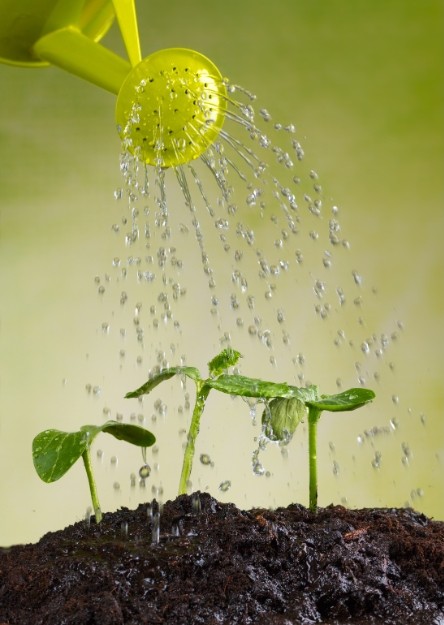
Overwatering reduces flowering and can damage roots. Water deeply, then let the top soil dry slightly before watering again.
Best Routine
- Water in the early morning.
- If the top 2–3 cm soil is dry, it’s time to water.
- Reduce watering during rain or high humidity.
Overwatering Signs
- Yellow leaves
- Drooping even when soil is wet
- Bad smell from soil (root rot risk)
Pest & Disease Control
Inspect leaves weekly. Early control keeps your plant healthy and protects fruit production.
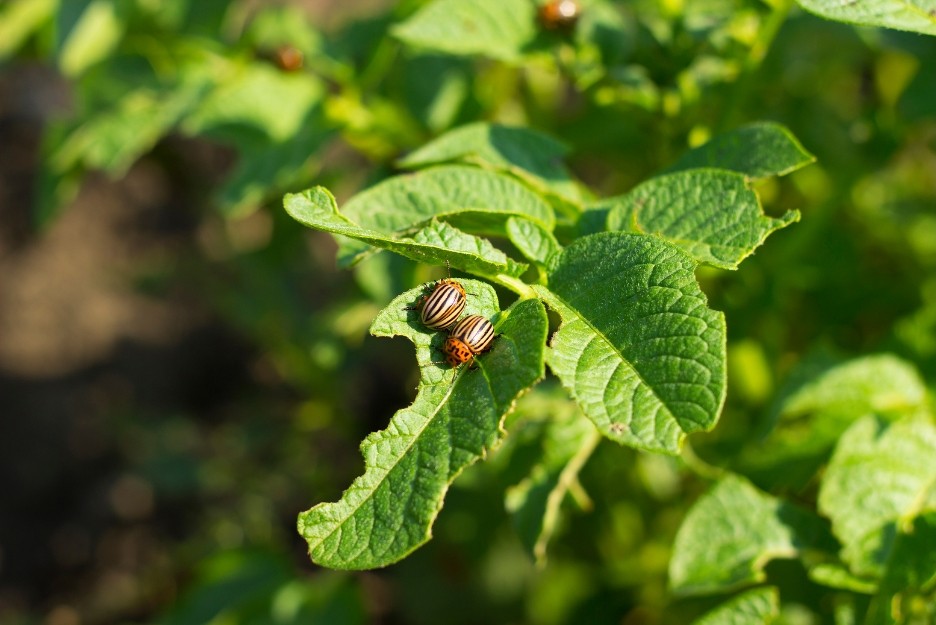
Common Chilli Pests
- Aphids
- Whiteflies
- Spider mites
- Thrips
Organic & Safe Treatments
- Neem oil spray: weekly or after rain
- Mild soap water: spray underside of leaves
- Remove affected leaves: dispose away from plants
Harvesting Chillies
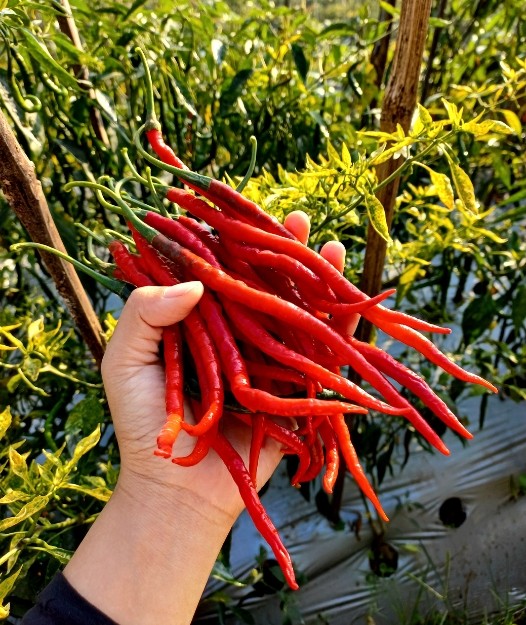
Regular harvesting signals the plant to produce more chillies. Use scissors for clean cuts and better regrowth.
When to Harvest
- Green chillies: 60–90 days (variety dependent)
- Red ripe chillies: 90–120 days
- Harvest often to increase flowering and future fruiting.
Growing Tips for Best Results
Use these practical tips to grow more chillies per plant—especially in pots, rooftops, or small gardens.
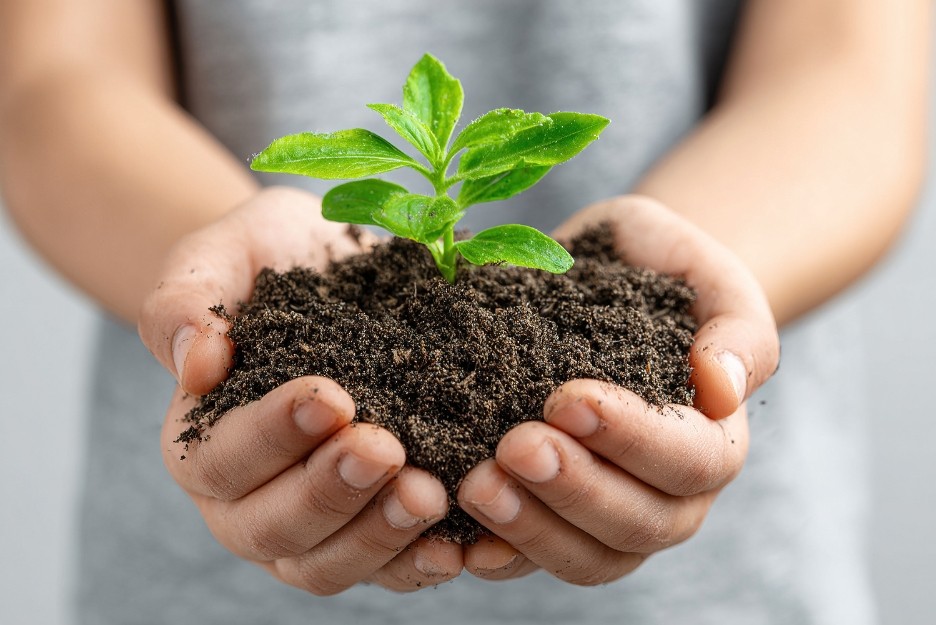
- Use bigger pots: 12–14 inch pots produce higher yield.
- Feed regularly: compost/vermicompost every 15 days.
- Avoid overwatering: let soil dry slightly between watering.
- Pinch early growth: for a bushier plant and more flowering points.
- Harvest often: more harvest = more future fruits.
Chilli Growing FAQ
How long does it take to grow chilli from seed?
Most chilli varieties take around 80–120 days from seed to harvest. Germination takes 7–14 days, and transplanting is usually done at 4–6 weeks.
How often should I water chilli plants?
Water when the top 2–3 cm of soil feels dry. Pots often need more frequent watering than garden beds during hot weather. Avoid overwatering.
Why are my chilli leaves turning yellow?
This is commonly caused by overwatering, poor drainage, or nutrient imbalance. Improve drainage, reduce watering, and add compost or balanced feeding.